

A Journey of Growth, Innovation and Sustainable Development
Keynote Speech

Dear Chair, Distinguished Guests and Delegates,
I feel proud to be part of this conference. My theme of the keynote is: A Journey of Growth, Innovation and Sustainable Development.
While preparing this talk, I remembered those days and nights that I spent in Noida. I first visited Noida in 1987, when I was 18 years old. Then, I returned many times – sometimes by bus, sometimes by taxi, and sometimes by train.
Most of the time, I visited companies in Okhla Industrial Estate. Other times, I visited people working in Noida. I witnessed the estate grow day by day. I saw it during the late 1980s, throughout the 1990s and during the early 2000s. It has achieved phenomenal growth and sustained development.
As a businessperson, I cannot remember a time when Noida disappointed me. It has always exceeded my expectations. And today’s invitation is another example. I deeply value this recognition.
As a student of geography, I was interested in observing the development model that was used in Noida. I recognised the huge potential of this industrial city. I was particularly interested in knowing the journey of businesses from start-up to becoming interdependent.
For me, Noida is not a city I have visited to buy something. This is the city I have witnessed change, innovation and sustained growth. Like many rapidly growing cities, Noida has experienced both successes and challenges.
Regarding this conference, I am happy to see the tracks for six SDGs. I take this as evidence of a willingness to become sustainable in everyday situations. Even though I am not certain about what form the SDGs will take beyond 2030, their principles will remain important for Noida in the process of achieving sustainable development. In that sense, this is an ambitious conference. However, considering the number of papers and conference tracks, I am confident that it has already begun to achieve its purpose.
When I consider the vision of Viksit Bharat 2047, I believe India is firmly on its way to achieving it. I have observed that every global hardship has made India stronger — whether during the Gulf conflicts of the 1990s or the global financial crisis of 2008–09.
Viksit, or development, is one of the most frequently used terms in the English language, appearing approximately once in every 5,000 words. However, the meaning often dissolves with growth, which appears approximately once in every 10,000 words. I would therefore like to unpack their meanings from a social perspective. Growth refers to a positive change in quantity — for example, having more houses, roads, people and institutions. Growth is generally visible and can often be measured.
In contrast, development refers to a positive change in quality. It is often internal and may not be immediately visible to others. It can be difficult to measure, but it is something we can experience, understand, feel and realise. Development has a wider scope, including greater awareness, improved living standards and wisdom.
I am confident that this conference will help delegates envision development and add further stepping stones towards meaningful and sustainable growth. Innovation is essential to our development. It can occur in our daily lives or within businesses. What matters is our willingness to think differently, respond to challenges and create positive change.
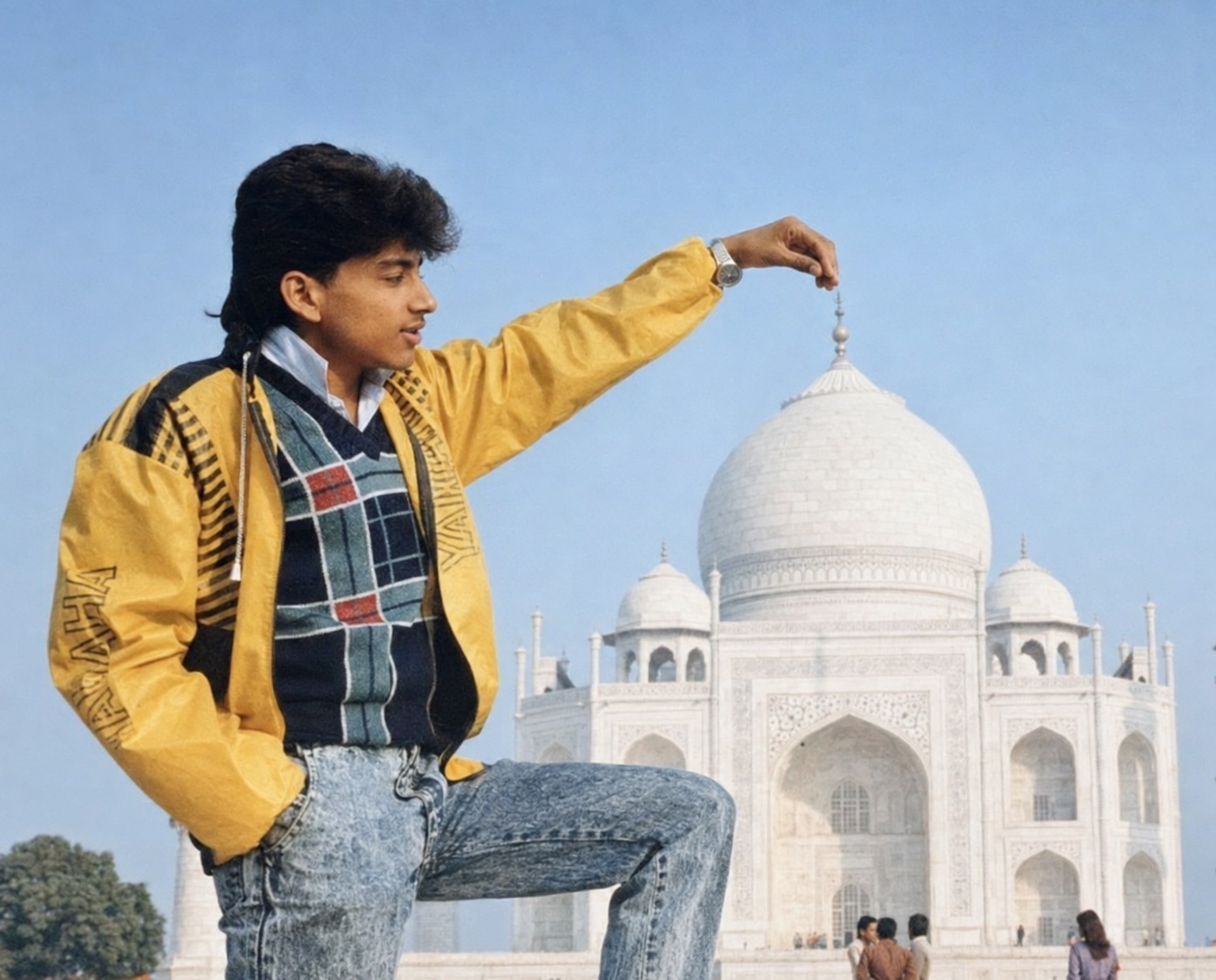 Finally, I would like to conclude by showing you this picture. ‘Showing that you have touched the top’ and ‘actually touching it’ are two different things. I know that I have not touched the top, and you know this too. However, we all know that we can touch the top. I regard this belief as the true spirit of development.
On this note, I would like to express my sincere thanks to Professor (Dr) Namita Vyas Joshi, the organising committee and Dr Shreshth Chhabra, who introduced me to Professor Namita.
Thank you.
Milan Gyanwali, PhD
20 August 2026